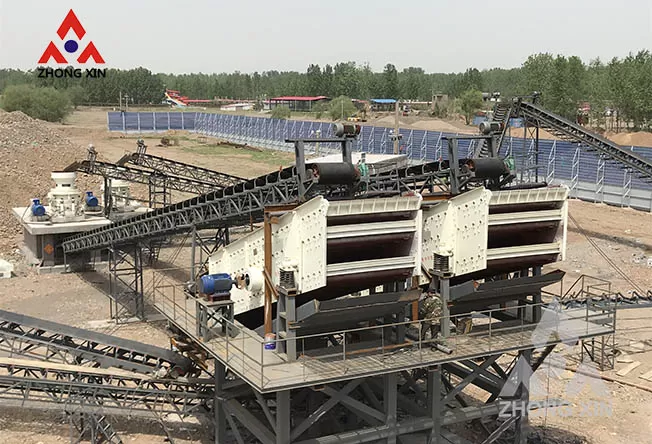
Ball mills are still a key part of how iron ore is crushed and ground up in processing plants all over the world. They're built tough and can be used in many different ways, which offers clear benefits for how well the ore gets separated later and how much the whole project costs.
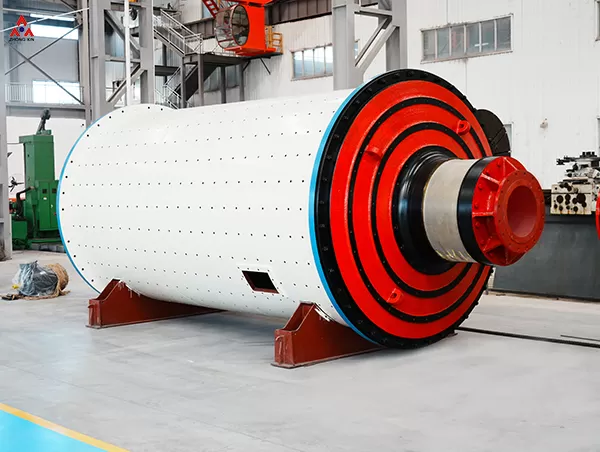
A main advantage is how well they control the size of the particles. Ball mills can grind material very fine and evenly, often getting 80% of it smaller than 75 microns. This is super important for getting iron out of the waste rock. This exact control helps magnetic or flotation separation work better, making sure they capture as much iron as possible. They can also be set up to run with or without hydrocyclones, which lets operators fine-tune the grind size to fit specific requirements for things like pellet or sinter feed.
Another big plus is that they can process a lot of material and can be scaled up easily. Modern ball mills, some more than 12 meters wide, can grind thousands of tons of ore every hour. This ability to handle large volumes makes them perfect for big mining operations that need to produce a lot of material consistently. The technology is well-proven, and a ball mill that's kept in good shape is very reliable, meaning it's available to run most of the time and has fewer expensive, unplanned shutdowns.
Grinding usually uses a lot of energy, but ball mills make it more efficient with improved liner designs inside and motors that can change speed. When you compare them to other ways of fine-grinding hard, abrasive ores like taconite or magnetite, ball mills offer a good mix of upfront cost and daily running expenses. Using high-chrome grinding parts also makes them last longer and helps keep the ore cleaner, which means the iron concentrate stays chemically pure.
Lastly, ball mills are a low-risk option because they are simple to run and easy to automate. Advanced control systems constantly check things like bearing pressure, how much material is in the mill, and the density of what comes out. They then automatically adjust how much ore goes in to keep the grinding conditions just right. This means less need for people to make manual adjustments and helps the mill perform steadily and predictably. This consistent performance is key for meeting the strict quality requirements in the steelmaking industry.