Jiaozuo Zhongxin Heavy Industrial Machinery Co.,Ltd.

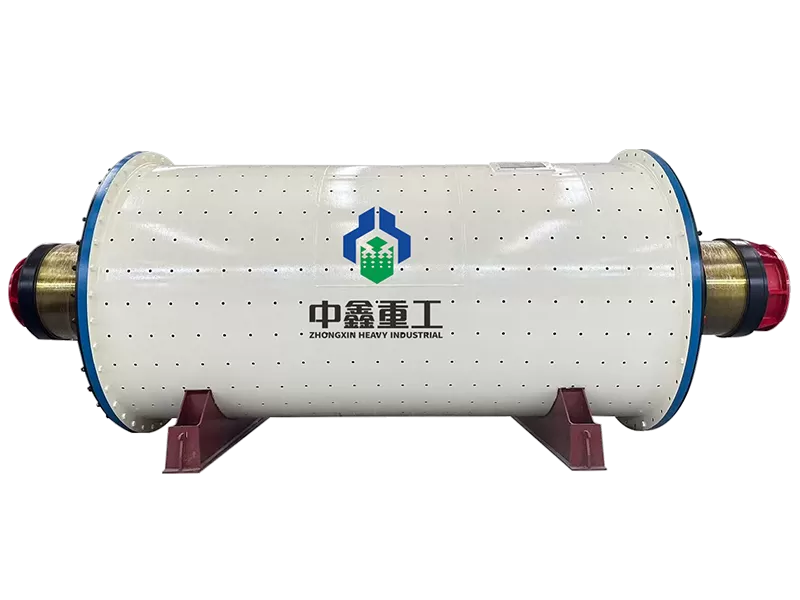
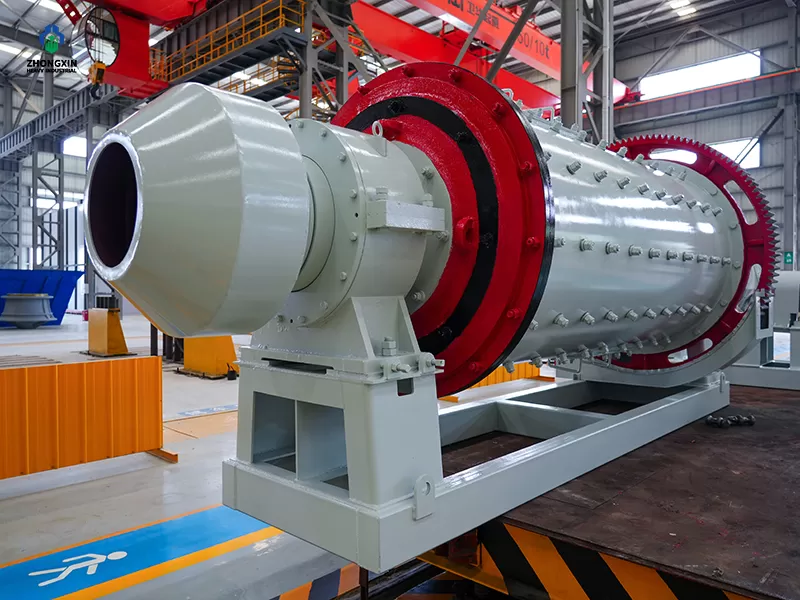
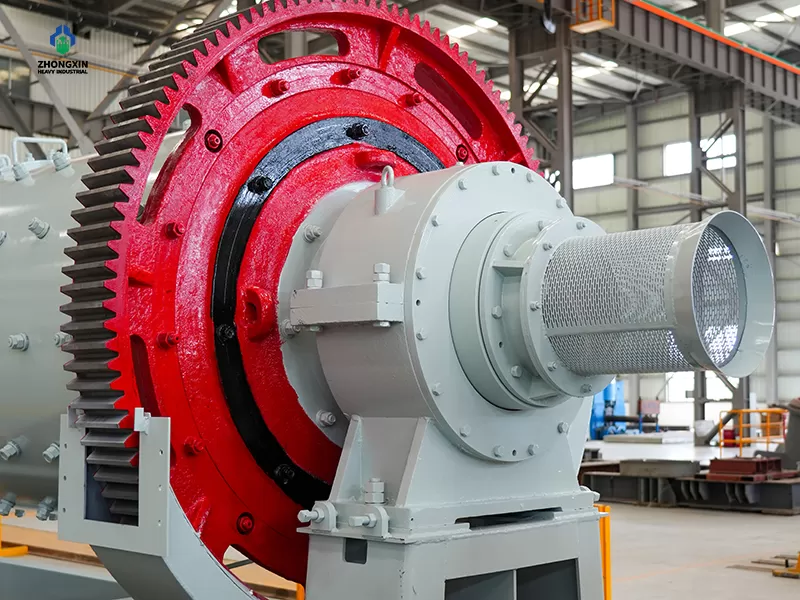
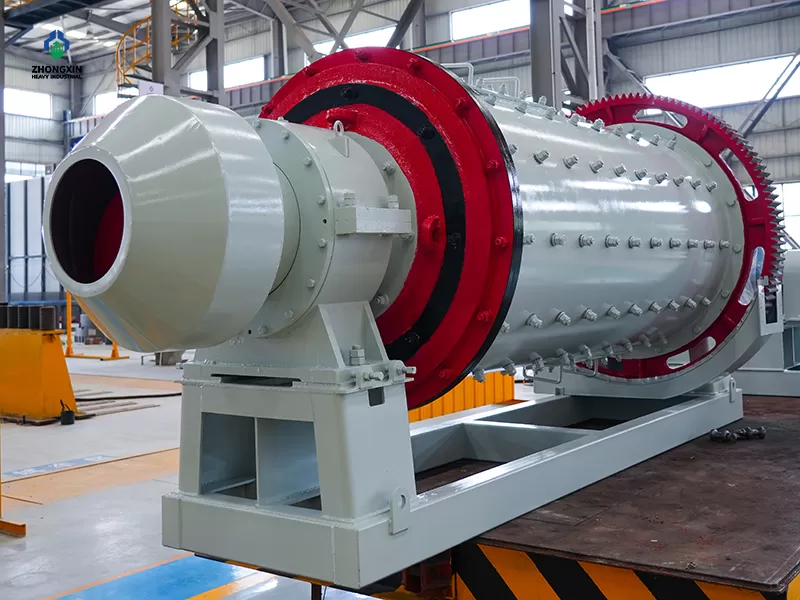
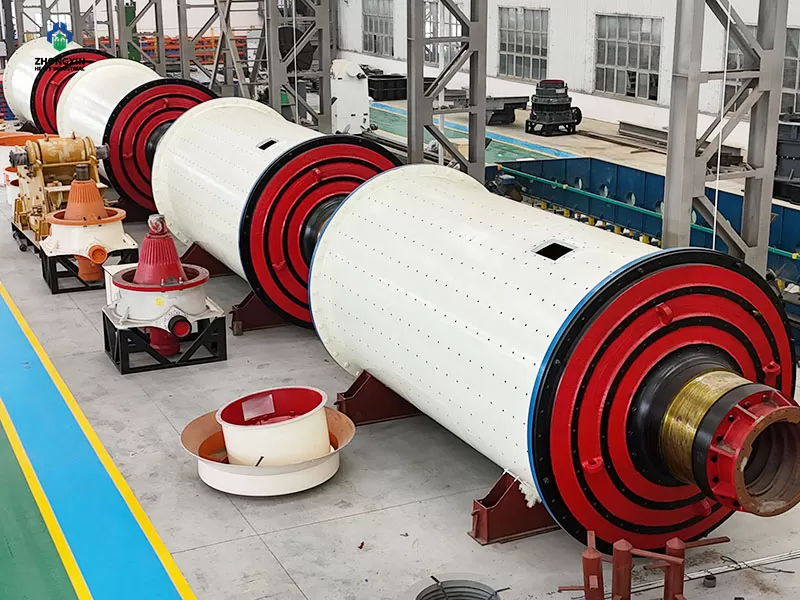
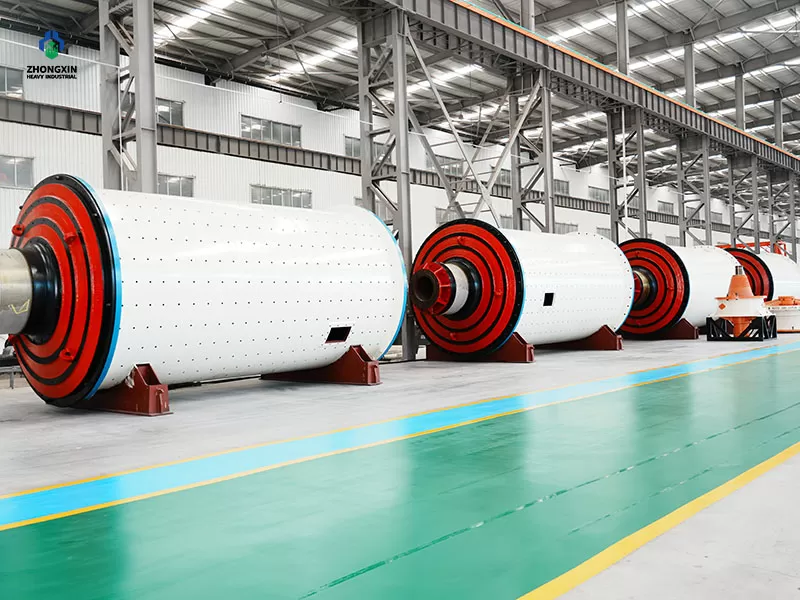
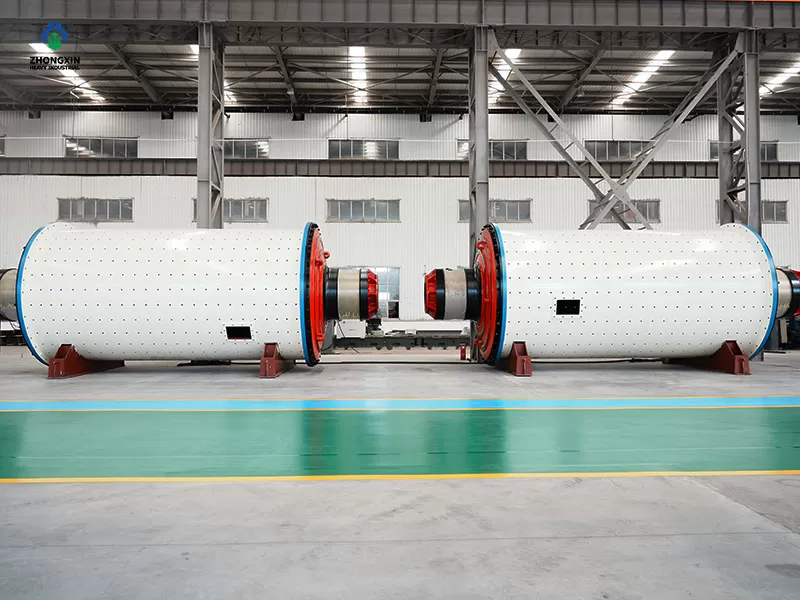
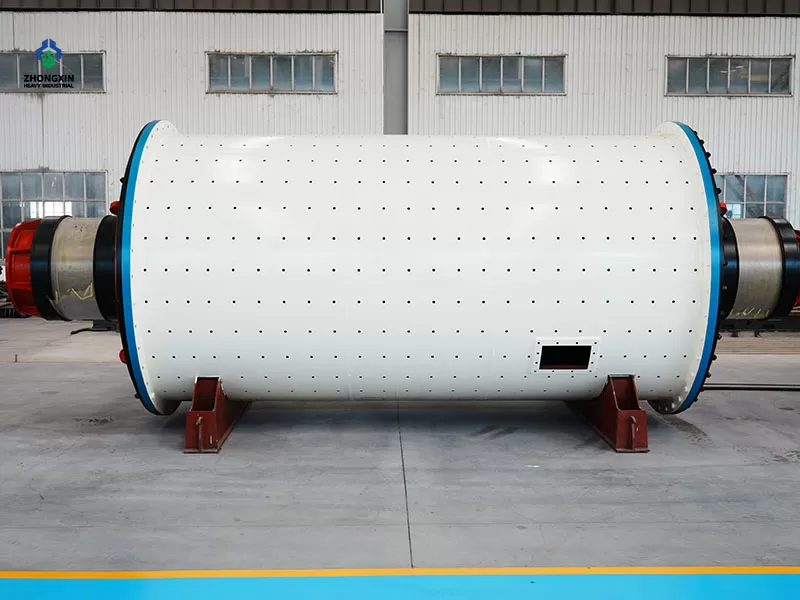
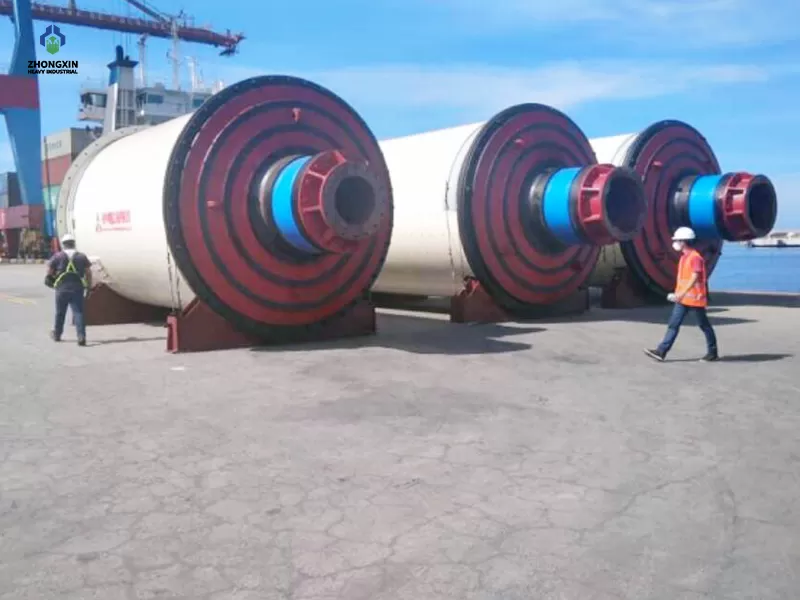
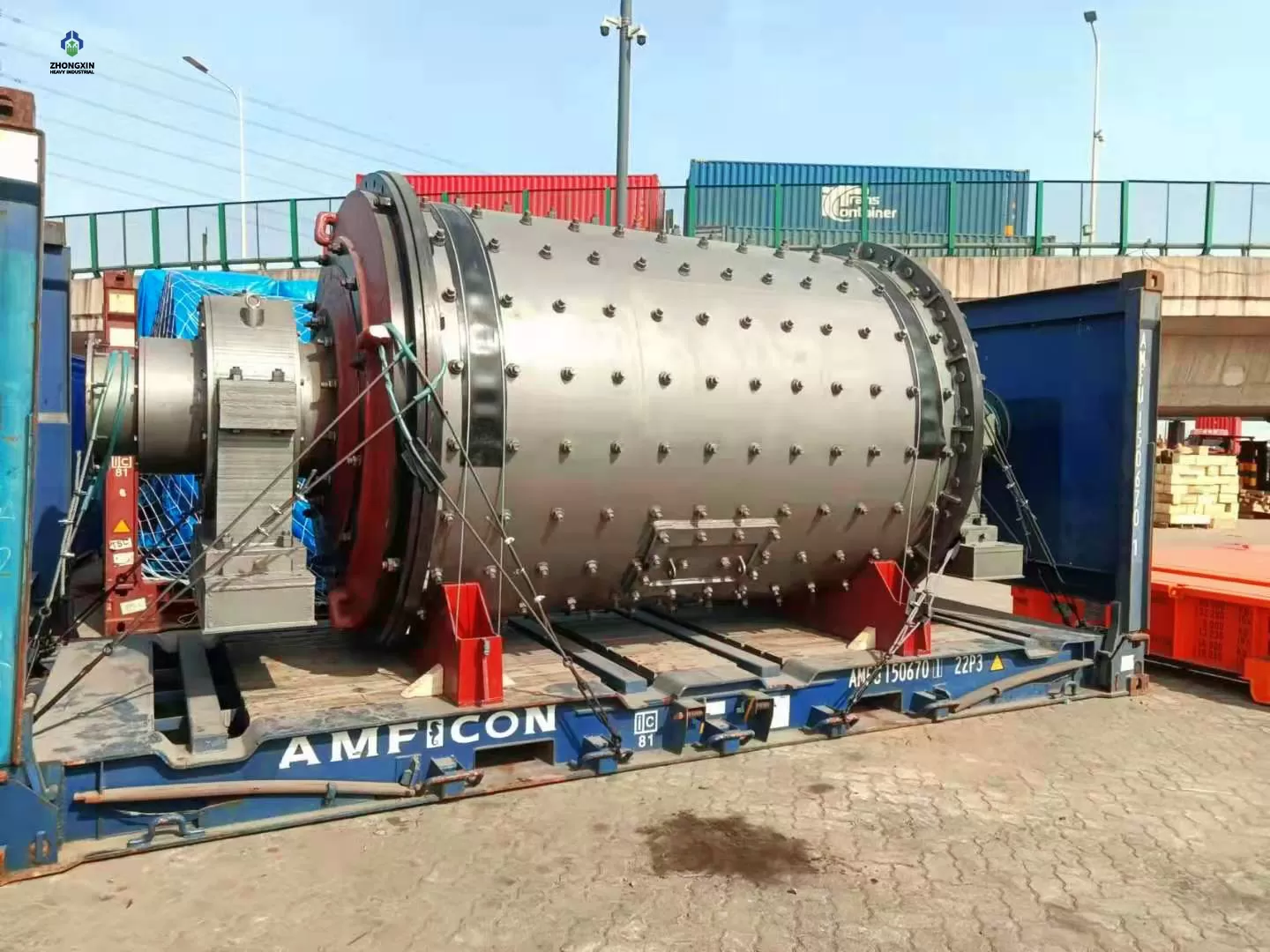
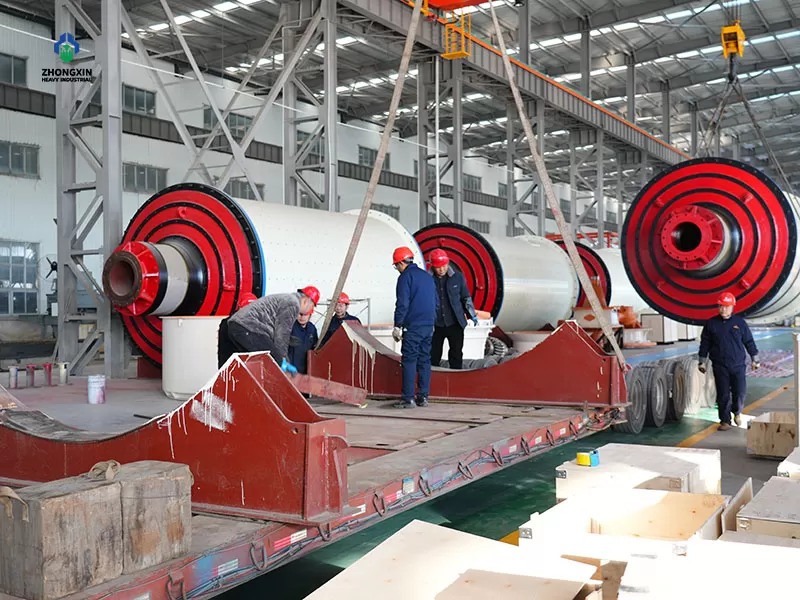
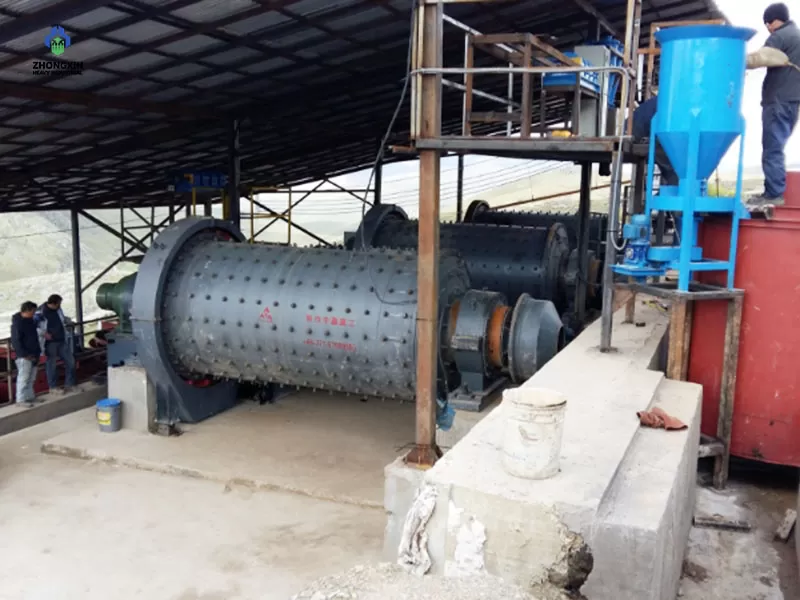
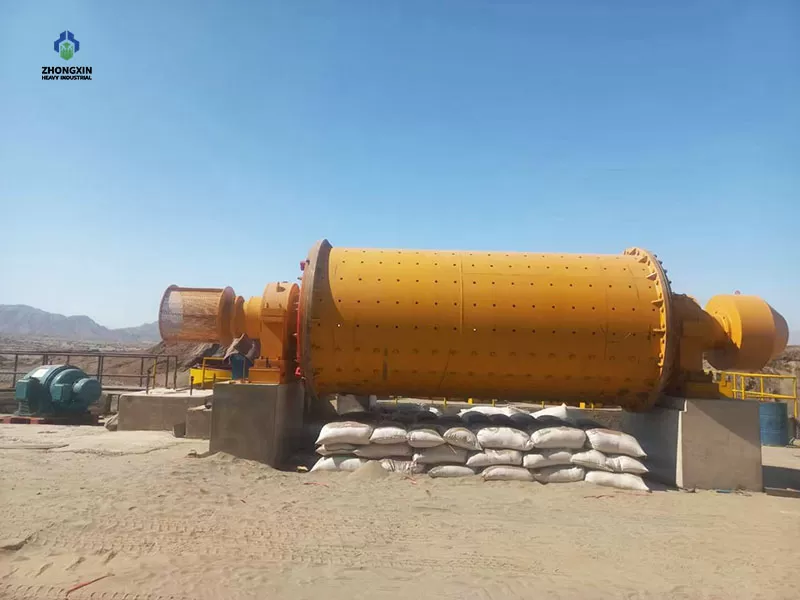
Ball Mill

Type
mineral processing equipment
Cylinder length
900-7000mm

Main motor power: 7.5-1800kw

Cylinder diameter: 900-3600mm

Share To
Whatsapp/Wechat:
+86-13676922906
  • WhatsAppWhatsApp
  • WeChatWeChat
Multi Cylinder Hydraulic Cone Crusher
15s Quick consultation | 1h Technical guidance | 32h Quotation + drawing | 365d Exclusive customer service
Get price list

What are the uses of a ball mill?

As equipment for the grinding and processing of materials, ball mills are widely used in industrial sectors such as metallurgy, construction materials, and chemicals; their primary function is to further process crushed raw materials, thereby reducing their particle size.
In the mineral processing industry, the ball mill serves as a critical piece of equipment, primarily intended to supply materials that meet specific particle size requirements for subsequent beneficiation operations.
In the cement industry, the mill is a key piece of equipment used to grind and blend raw materials—such as cement clinker and admixtures—into finished cement.
A ball mill grinds materials through the continuous interaction of impact and friction. As the rotating cylinder turns, the grinding media are lifted and then fall freely, crushing and refining the material into fine particles. This efficient grinding process ensures consistent product quality and makes the ball mill an essential solution for mineral processing, cement production, and industrial powder manufacturing.

High Grinding Efficiency

The ball mill uses optimized steel ball movement to achieve fast and uniform material grinding, helping improve overall production efficiency.

Adjustable Product Fineness

By changing the grinding media size and rotation speed, the ball mill can produce different particle sizes to meet various industrial requirements.

Durable Wear-Resistant Design

The mill liner and grinding media are made from wear-resistant materials, reducing maintenance frequency and extending service life.

Energy-Saving Performance

Modern ball mills are designed to reduce energy consumption while maintaining high grinding capacity, helping lower operating costs.

Stable and Reliable Operation

A robust transmission system ensures smooth operation with low vibration, making the equipment reliable for continuous production.

Differences and Applications of Ball Mills and Rod Mills

1. Structural Aspects:

(1) Discharge Method: Wet ball mills can utilize overflow, grate, or peripheral discharge; wet rod mills primarily use overflow discharge but can also use peripheral discharge; dry ball mills mainly use grate or peripheral discharge; dry rod mills typically use only peripheral discharge.

(2) Internal Structure: To ensure the steel rods remain essentially parallel to the mill's axis during operation and to prevent rod tangling, the inner liners of the rod mill's feed and discharge end caps form a plane perpendicular to the cylinder; in contrast, the liners in ball mills are generally conical, though flat surfaces are also used.

2. Parameters and Performance:

To prevent interference between steel rods, rod mills generally operate at speeds of 65%–70% of the critical speed (nc); wet ball mills typically operate at 76%–88% of nc, while dry ball mills operate at 68%–76% of nc.nc: Critical speed of the mill;

3. Applications:

Because the contact between the grinding media (rods) and the material is linear, rod mills offer selective breakage and grinding, minimizing the risk of over-grinding; the upper limit of the discharge particle size is generally 1–3 mm, making them suitable for coarse grinding.

Compared to overflow-type ball mills, wet grate-type ball mills feature a discharge grate plate that actively lifts material for discharge; this results in a lower liquid level within the cylinder, a shorter material residence time, and a coarser discharge product. The upper limit of the discharge particle size for grate-type ball mills is generally 0.2–0.3 mm.

What is the working principle of a ball mill?

The ball mill transforms coarse feed materials into finely ground products through a controlled cascading motion of grinding media inside a rotating drum. By combining impact energy with particle-to-particle attrition, it delivers precise size reduction, high processing efficiency, and reliable performance across a wide range of mining and industrial applications.

1. The mill's drive unit rotates the shell, and raw materials enter the shell via the feeding device;

2. As the shell rotates, the grinding media—driven by centrifugal and frictional forces—adhere to the inner wall and rotate along with it;

3. Once lifted to a certain height, the grinding media fall freely under gravity, impacting and crushing the material at the bottom;

4. The motion state of the grinding media (e.g., cascading, cataracting, or sliding) plays a crucial role in grinding efficiency;

5. Through these processes, the ball mill grinds the material into the required fine particles;

6. The ground material is discharged from the mill shell via the discharge device.

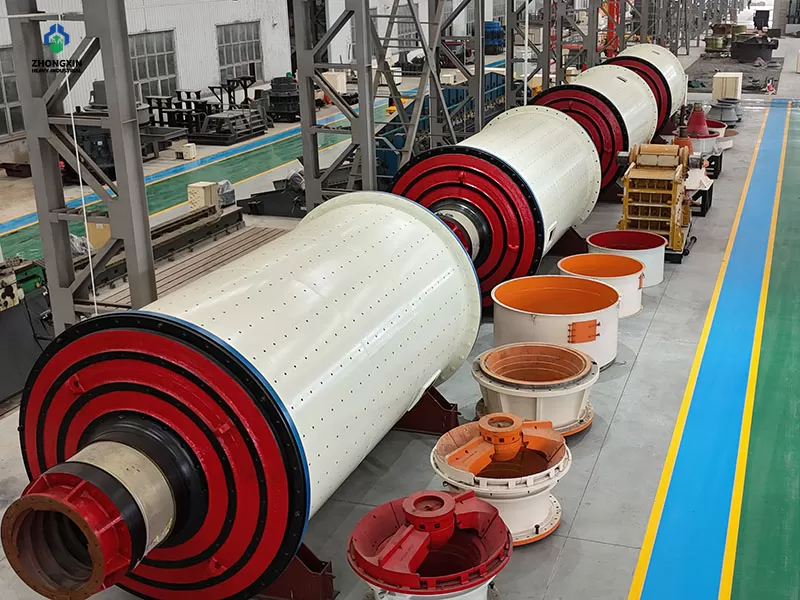
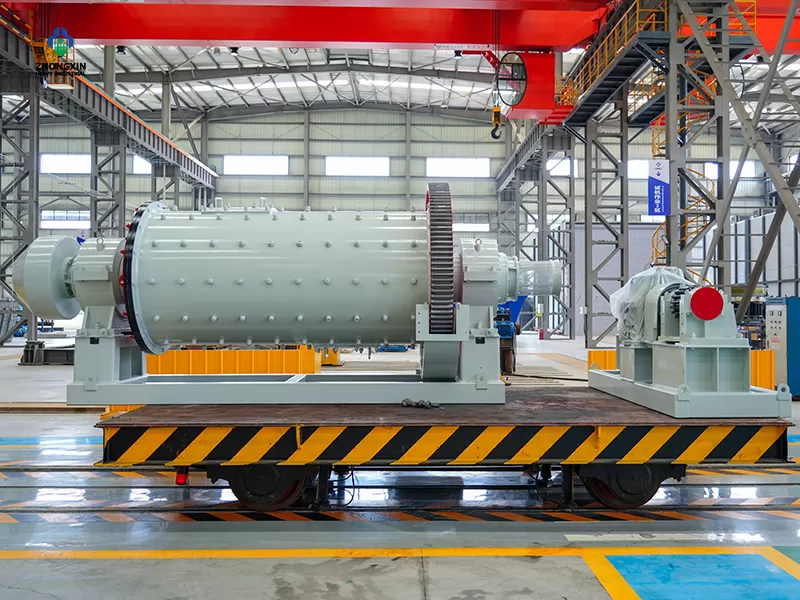
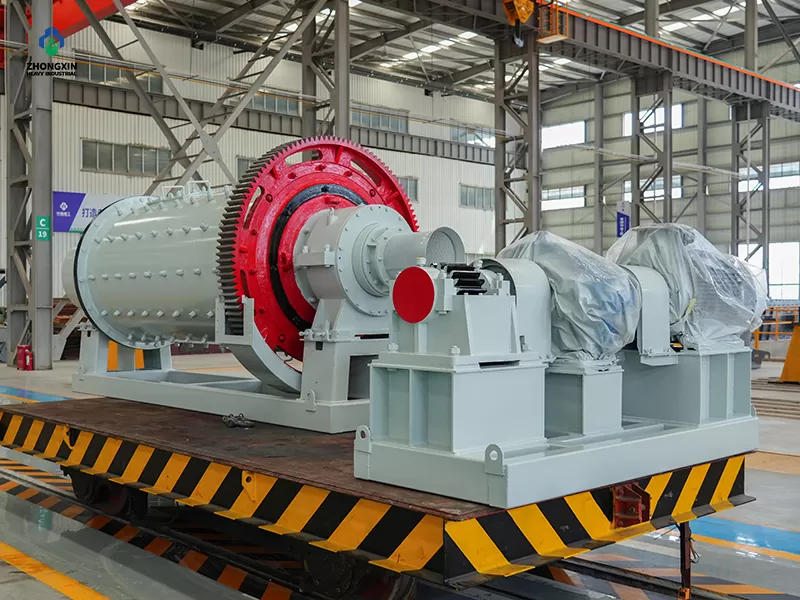
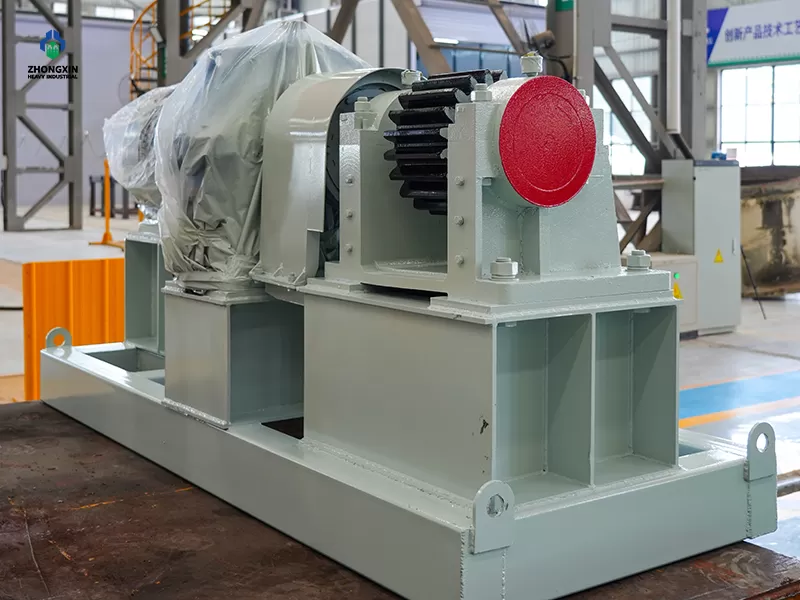
Product Photos

Specification

NumberModelCylinder diameter(mm)Cylinder length(mm)Cylinder effective volume(m³)Maximum ball loading(t)Operating speed(r/min)Main motor power(kW)
1MQ-09×□900900~18000.45~0.90.96~1.934.8~39.57.5~15
2MQ-12×□12001200~24001.1~2.22.4~4.729.8~33.922~45
3MQ-15×□15001500~30002.2~4.54.7~9.726.5~30.155~90
4MQ-21×□21002200~40007~1215~2722.3~25.3140~250
5MQ-24×□24002400~450010~1821~3920.8~23.6210~355
6MQ-27×□27002100~540011~2823~5919.6~22.2260~630
7MQ-32×□32003000~640022~4746~9817.9~20.4500~1120
8MQ-36×□36003900~700036~6475~13516.9~19.21000~1800

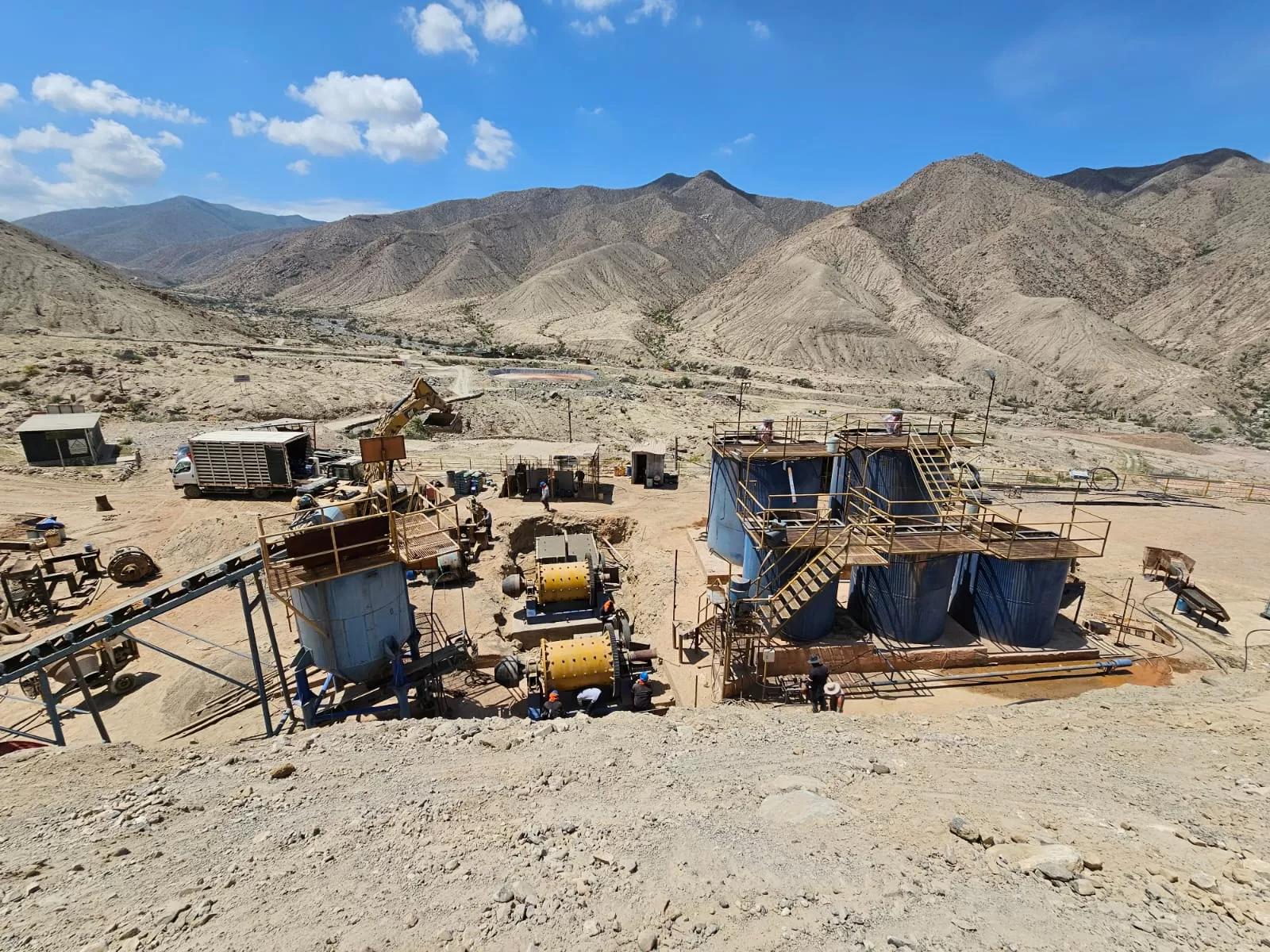
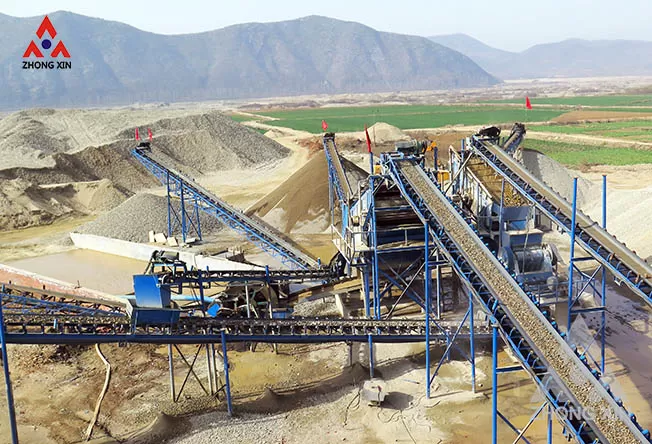
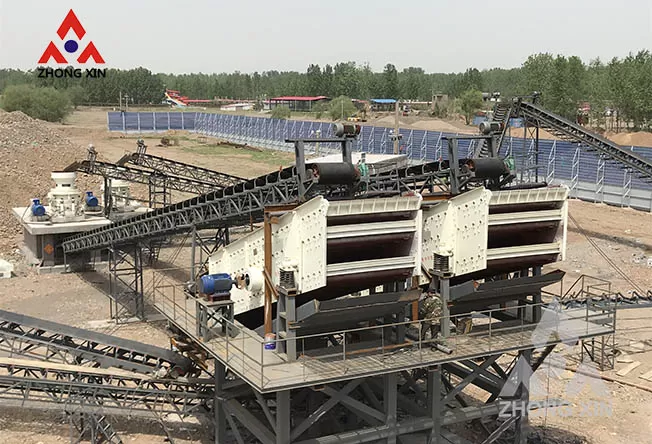
Our Case

Jiaozuo Zhongxin® provides advanced crushing and screening equipment for industries involved in rock and mineral processing. From individual machines to mobile crushing units and complete processing plants, our solutions are designed to meet diverse production needs, supported by professional technical service and reliable after-sales support.

Common Problems

This section is designed to address the most pressing inquiries customers may have regarding the daily operation, maintenance, product advantages, and after-sales service of our crushing and screening equipment. Our aim is to help you gain a comprehensive understanding of our overall capabilities and enable you to make informed decisions for your projects.

Our ball mills feature optimized liner designs and precision-engineered gear drives. This results in higher grinding fineness and lower energy consumption per ton, helping mining operations achieve better mineral recovery rates.

Ball mill specifications are typically designated by shell diameter and length. The ball mills manufactured or planned by our company fall into the following diameter (D) series (in mm): 900, 1200, 1500, 1830, 2100, 2400, 2700, 3200, 3600, 3800, 4000, 4200, and 4500; Ball mill length is usually selected within the range of (1–3)D. The diameter series for dry-type tube mills also includes sizes such as 2200, 2600, and 3000, with a shell length generally ≥3D.

1. Raw material characteristics: including ore type, hardness, content of major elements, etc.; 2. Particle size: initial particle size, crushed product size (mill feed size), and ground product size; 3. Availability of an ore grindability test report; 4. Availability of Bond Work Index data (determined via Bond Work Index testing).

1. Shell diameter and length: These are the primary parameters specifying the ball mill's size. Shell diameter refers to the internal diameter excluding the liners, while shell length refers to the effective internal length. 2. Effective shell volume: This is the internal volume of the shell minus the volume occupied by the liners. 3. Ball mill type: This primarily refers to the discharge method. 4. Maximum grinding media charge or media filling rate. 5. Operating rotational speed of the ball mill. 6. Installed power of the ball mill.

1. Feeding Section (Feeding Device) Common types currently in use include: drum feeders, combined feeders, chute feeders (feeding trolleys), and screw feeders. ① Drum Feeder The drum feeder resembles a drum open at both ends and features internal spiral components for conveying ore. As the feeder rotates along with the ball mill, the ore is transported into the mill following the spiral path. Drum feeders are suitable for feeding dry materials into the ball mill. ② Combined Feeder The housing of the combined feeder features an inlet and an outlet on its front and rear side plates, respectively. It is characterized by an internal partition plate that divides the housing cavity into an inlet chamber and a guide chamber. Feed-through holes are distributed along the periphery of the partition plate, while a cylinder is positioned at the center of the guide chamber, with its axis aligned with the outlet. A spiral guide plate is installed between the central cylinder and the housing within the guide chamber, and material-transfer openings are provided on the cylinder wall on the inner side of the spiral guide plate. This ingenious and rational design allows for the intake of larger lump materials and maintains a high material level within the mill. It prevents material backflow or spillage, reduces labor intensity, avoids pollution, increases feed capacity, and enhances productivity and profitability. It can handle both dry ore and wet materials (such as classifier underflow/sand returns) and is frequently used in the first stage of closed-circuit grinding. Additionally, because the combined feeder facilitates the addition of steel balls into the ball mill, it is also utilized in second-stage grinding circuits. Overall, the combined feeder is widely applied. 3) Screw Feeding Device The screw feeding device is a common feeding method for dry mills and wet grinding mills. It primarily consists of an enclosed screw feeder, a hopper, and a support structure. Equipped with a motorized drive unit, it functions as an active (powered) feeding system. ④ Chute-type feeding device The chute-type feeding device is a common feeding method for large-scale mills, characterized by its simple structure and ease of replacement. It primarily consists of an inclined pipe, a sealing assembly, a hopper, and a support mechanism; the support mechanism is sometimes designed as a movable trolley to facilitate inspection and maintenance. 2. Feeding section: Composed of the feed end cover, end liner, and feed bushing. 3. Shell section: Composed of the shell (fabricated by welding flanges to a rolled steel plate cylinder) and shell liners; the shell is equipped with one or two manholes for liner replacement. 4. Discharge section: Available in overflow and grate types. The overflow type consists of the discharge end cover, end liner, and discharge bushing; the grate type consists of the discharge end cover, discharge grate plate, inner liner, and discharge bushing. A cylindrical discharge screen is sometimes added to the discharge section. 5. Support section (also known as the main bearing section): Features either rolling bearings (typically spherical roller bearings) or sliding bearings. 6. Drive section: ① Asynchronous motor drive: The motor drives the speed reducer via a coupling; the low-speed shaft of the reducer then drives the pinion gear via a coupling, which in turn drives the large gear. ② Synchronous motor drive: The motor drives the pinion gear via a clutch, which in turn drives the large gear. 7. Slow-speed drive device: Composed of a motor, brake, high-ratio speed reducer, helical-tooth clutch, etc. 8. Shell lifting device: Composed of a lifting bracket, a jack, and a support stand. 9. Lubrication system: Divided into grease lubrication and circulating oil (fluid oil) lubrication types. 10. Cooling system 11. Foundation 12. Electrical control system

1. By drive mechanism ① Peripheral drive The drive unit rotates a pinion gear, which drives a large gear to rotate the mill shell. ② Center drive The drive unit connects to the mill's discharge end cap (or feed end cap) via a coupling, directly driving the rotation of the mill shell. ③ Friction drive The drive unit powers a supporting friction wheel, which drives the rotation of the mill shell. 2. By discharge method ① Grate-discharge type A grate plate is installed at the discharge end; material smaller than the grate apertures passes out of the shell, while material larger than the apertures remains inside for further grinding. ② Overflow type Material discharges by overflowing when the pulp level rises above the lower edge of the hollow trunnion opening. To prevent small grinding balls and coarse material from escaping with the pulp, the discharge liner is equipped with reverse spiral blades that push them back into the shell. ③ Peripheral discharge type Discharge ports are located along the circumference of the mill shell and fitted with grate plates to prevent the discharge of grinding media and coarse material. 3. By grinding media ① Ball mill: Uses balls of varying diameters (matched in specific proportions) as grinding media; particle size reduction is achieved through the impact and collision of the balls. ② Rod mill: Uses steel rods of varying diameters (matched in specific proportions) as grinding media; particle size reduction is achieved through the impact and collision of the rods. ③ Autogenous mill Relies entirely on the ore itself as the grinding medium. Large ore chunks are lifted to a certain height during shell rotation and then fall freely, achieving breakage through impact and attrition; smaller particles are discharged through the outlet. Structural characteristics: Large shell diameter (up to 12 meters or more), relatively short length, and low rotational speed (approximately 70%–80% of the critical speed). ④ Semi-autogenous (SAG) mill: Similar to an autogenous mill, but with a small amount of steel balls (filling rate of approximately 8%–15%) added as auxiliary grinding media. The impact of the steel balls compensates for the limitations of the ore's inherent grinding capability, thereby enhancing processing efficiency and stability. 4. By grinding conditions ① Dry mill: Generally, the moisture content of the feed material is less than 2.5%; ② Wet mill: Grinding concentration is less than 75%; ③ Moist grinding mill: Generally, the moisture content of the feed material is between 8% and 15%. 5. By operating mode ① Continuous mill: Feeding and discharging occur continuously without interruption; ② Intermittent mill (also known as batch mill): Material is loaded once, processed for a specific period, and discharged only after the required particle size is achieved. 6. Others: For example, mills with a length-to-diameter ratio of 3 or greater are classified as tube mills, etc.

Over-grinding wastes energy and ruins product quality. To prevent this, you need to optimize the ball-to-material ratio and adjust the classification system (like a cyclone classifier) to remove qualified fines instantly. Our mills feature variable frequency drives (VFD) and smart PLC monitors, allowing you to fine-tune the rotation speed in real-time based on material moisture and feed size.

Wet grinding is generally 20% to 30% more energy-efficient than dry grinding because the liquid acts as a dispersant, preventing fine particles from coating the grinding balls. It also eliminates the need for expensive dust collection systems. However, if your downstream process cannot tolerate moisture (e.g., cement or chemical powders), dry grinding with a specialized air classification system is required.

COMPREHENSIVE SERVICE & GENUINE SPARE PARTS

Zhongxin Heavy Industry provides not only high-performance equipment but also full life-cycle support solutions.

Service
Service

Service

Service

Online Whatsapp
Wechat
Email Message TOP
Wechat
+86-13676922906
We use cookie to improve your online experience. By continuing to browse this website, you agree to our use of cookie.

Cookies

Please read our Terms and Conditions and this Policy before accessing or using our Services. If you cannot agree with this Policy or the Terms and Conditions, please do not access or use our Services. If you are located in a jurisdiction outside the European Economic Area, by using our Services, you accept the Terms and Conditions and accept our privacy practices described in this Policy.
We may modify this Policy at any time, without prior notice, and changes may apply to any Personal Information we already hold about you, as well as any new Personal Information collected after the Policy is modified. If we make changes, we will notify you by revising the date at the top of this Policy. We will provide you with advanced notice if we make any material changes to how we collect, use or disclose your Personal Information that impact your rights under this Policy. If you are located in a jurisdiction other than the European Economic Area, the United Kingdom or Switzerland (collectively “European Countries”), your continued access or use of our Services after receiving the notice of changes, constitutes your acknowledgement that you accept the updated Policy. In addition, we may provide you with real time disclosures or additional information about the Personal Information handling practices of specific parts of our Services. Such notices may supplement this Policy or provide you with additional choices about how we process your Personal Information.


Cookies

Cookies are small text files stored on your device when you access most Websites on the internet or open certain emails. Among other things, Cookies allow a Website to recognize your device and remember if you've been to the Website before. Examples of information collected by Cookies include your browser type and the address of the Website from which you arrived at our Website as well as IP address and clickstream behavior (that is the pages you view and the links you click).We use the term cookie to refer to Cookies and technologies that perform a similar function to Cookies (e.g., tags, pixels, web beacons, etc.). Cookies can be read by the originating Website on each subsequent visit and by any other Website that recognizes the cookie. The Website uses Cookies in order to make the Website easier to use, to support a better user experience, including the provision of information and functionality to you, as well as to provide us with information about how the Website is used so that we can make sure it is as up to date, relevant, and error free as we can. Cookies on the Website We use Cookies to personalize your experience when you visit the Site, uniquely identify your computer for security purposes, and enable us and our third-party service providers to serve ads on our behalf across the internet.

We classify Cookies in the following categories:
 ●  Strictly Necessary Cookies
 ●  Performance Cookies
 ●  Functional Cookies
 ●  Targeting Cookies


Cookie List
A cookie is a small piece of data (text file) that a website – when visited by a user – asks your browser to store on your device in order to remember information about you, such as your language preference or login information. Those cookies are set by us and called first-party cookies. We also use third-party cookies – which are cookies from a domain different than the domain of the website you are visiting – for our advertising and marketing efforts. More specifically, we use cookies and other tracking technologies for the following purposes:

Strictly Necessary Cookies
These cookies are necessary for the website to function and cannot be switched off in our systems. They are usually only set in response to actions made by you which amount to a request for services, such as setting your privacy preferences, logging in or filling in forms. You can set your browser to block or alert you about these cookies, but some parts of the site will not then work. These cookies do not store any personally identifiable information.

Functional Cookies
These cookies enable the website to provide enhanced functionality and personalisation. They may be set by us or by third party providers whose services we have added to our pages. If you do not allow these cookies then some or all of these services may not function properly.

Performance Cookies
These cookies allow us to count visits and traffic sources so we can measure and improve the performance of our site. They help us to know which pages are the most and least popular and see how visitors move around the site. All information these cookies collect is aggregated and therefore anonymous. If you do not allow these cookies we will not know when you have visited our site, and will not be able to monitor its performance.

Targeting Cookies
These cookies may be set through our site by our advertising partners. They may be used by those companies to build a profile of your interests and show you relevant adverts on other sites. They do not store directly personal information, but are based on uniquely identifying your browser and internet device. If you do not allow these cookies, you will experience less targeted advertising.

How To Turn Off Cookies
You can choose to restrict or block Cookies through your browser settings at any time. Please note that certain Cookies may be set as soon as you visit the Website, but you can remove them using your browser settings. However, please be aware that restricting or blocking Cookies set on the Website may impact the functionality or performance of the Website or prevent you from using certain services provided through the Website. It will also affect our ability to update the Website to cater for user preferences and improve performance. Cookies within Mobile Applications

We only use Strictly Necessary Cookies on our mobile applications. These Cookies are critical to the functionality of our applications, so if you block or delete these Cookies you may not be able to use the application. These Cookies are not shared with any other application on your mobile device. We never use the Cookies from the mobile application to store personal information about you.

If you have questions or concerns regarding any information in this Privacy Policy, please contact us by email at . You can also contact us via our customer service at our Site.